Market Trends & Workplace Evolution
The Significance of Co-working


“Flexible workspace culture is promoting a lifestyle, not just a place to do business”
(J. Brooke, Director, Business Centre Association)
The 21st century has been defined by rapid technological advancement, transforming the way we live, work, and connect. COVID-19 accelerated many of these shifts, forcing businesses to rethink how office space is used and how leasing commitments are structured.
In the years leading into the pandemic, flexible workspaces and co-working centres experienced significant growth. These environments were designed to support evolving business needs, offering flexibility around lease terms, location, and office size. While COVID temporarily disrupted the sector, demand for flexible workspace has since recovered strongly as businesses return to office-based work with a more adaptive mindset.
What are flexible workspaces?
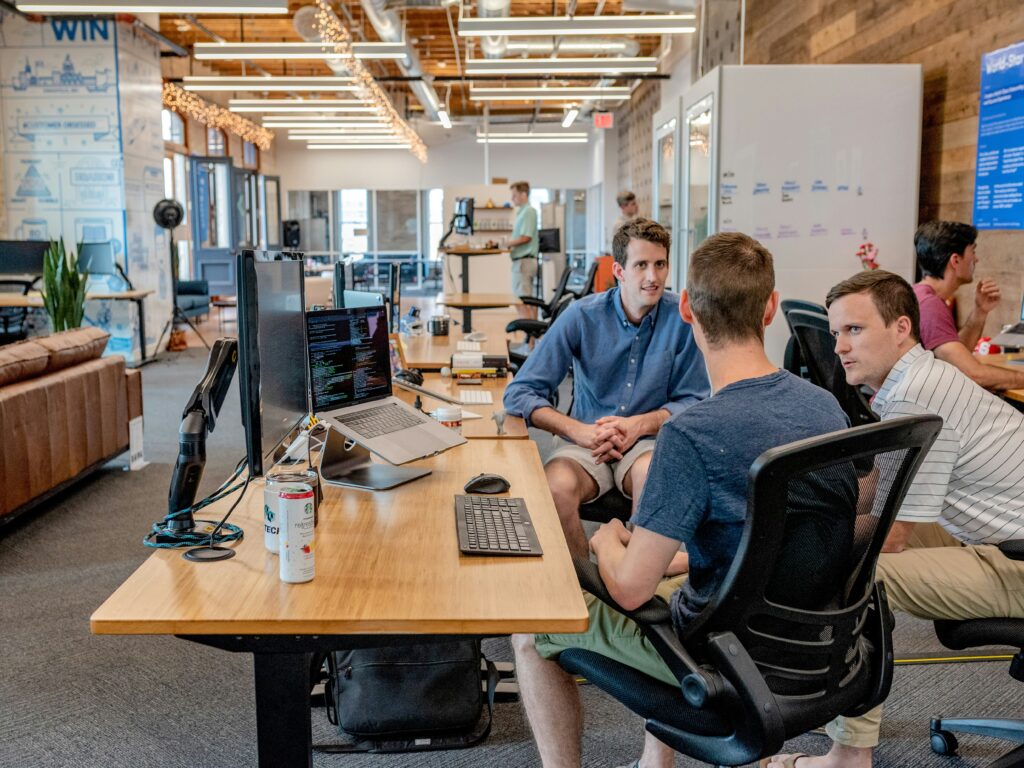
A flexible workspace is a shared, community-based office environment used by multiple businesses at the same time under a variety of contractual arrangements.
These can range from shared meeting rooms within traditional office buildings, through to large-scale co-working operators that lease entire floors or buildings and sublet high-quality office space to businesses seeking flexibility.
Most established flexible workspace providers offer a mix of:
- Private offices
- Dedicated desks
- Hot desks
- Shared open-plan work areas
- Meeting and boardroom facilities
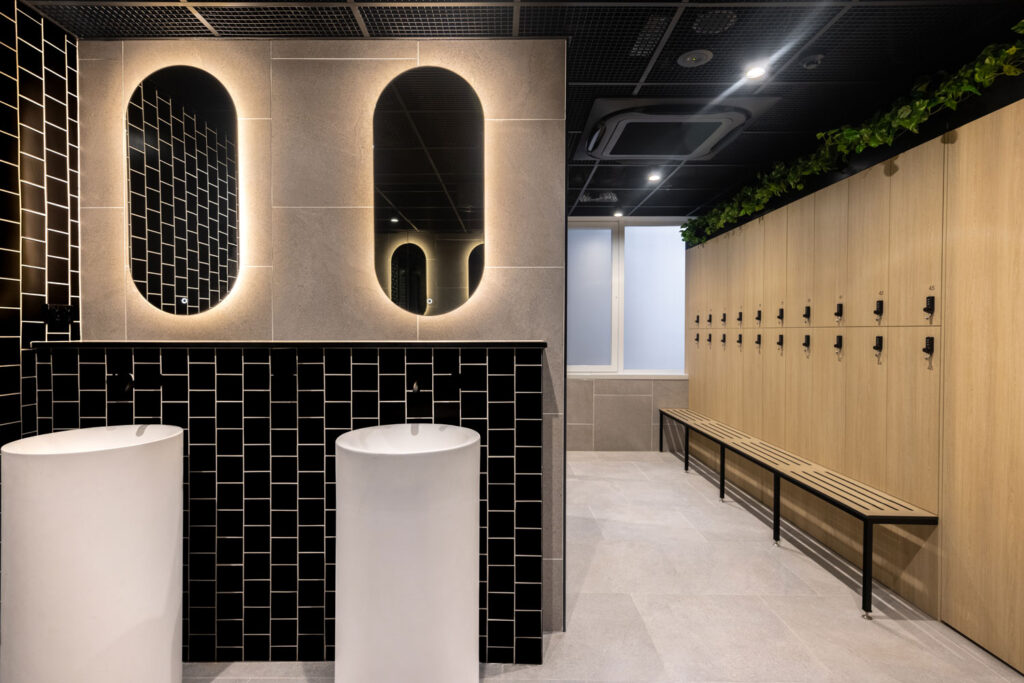
- End-of-trip and kitchen amenities
This model allows businesses to scale up or down quickly without the constraints of a traditional commercial office lease.
Who can use flexible workspace?
Flexible workspaces suit a wide range of businesses across different stages of growth.
For larger organisations, co-working spaces are often used for project teams, temporary expansion, or satellite offices for periods of 6–12 months without needing to commit to additional long-term leased space.
For smaller businesses and start-ups, flexible workspace provides an opportunity to remain agile while managing uncertain growth trajectories. The reduced upfront capital requirements, including lower or simplified security commitments, make entry significantly more accessible.
Prior to COVID-19, these spaces were also widely used by businesses requiring temporary national or international bases, acting as “plug-and-play” office solutions.
Pros of flexible workspace
- Immediate move-in with minimal setup required
- Reduced upfront capital and simplified leasing commitments
- Fully furnished and operational office environments
- Access to shared facilities including meeting rooms and breakout areas
- Flexible membership structures allowing multi-location access
Cons of flexible workspace
- Higher ongoing costs compared to traditional leases on a per-desk basis
- Additional charges for services such as meeting rooms, printing, and premium amenities
- Limited branding and customisation opportunities
- Shared facilities may impact privacy and availability
- Less control over environment, layout, and workspace culture
What is the future of flexible workspace?
Flexible workspaces continue to evolve as businesses adopt more hybrid and agile operating models.
While some older facilities have struggled, modern co-working spaces in strong CBD locations have continued to perform well, driven by demand for convenience, flexibility, and high-quality amenities.
Future workplace strategies are increasingly centred around hybrid models, including:
- Hub-and-spoke office networks for larger corporates
- Satellite co-working spaces supporting remote workforces
- On-demand office access for hybrid teams
- Reduced reliance on long-term, fixed office commitments
As businesses prioritise flexibility over permanence, co-working and flexible workspace models are expected to remain a core part of the commercial office landscape.